
Family therapy at Psychology Partners Group is a structured space for parents, children, and other family members to work on how they communicate and respond to one another. It is for families dealing with ongoing conflict, a major change such as divorce or loss, or the strain of supporting a family member with a mental health or developmental concern. We see families in person in Chappaqua and Hartsdale and offer virtual sessions.
The aim is not to find one person to blame. Your therapist looks at the patterns that involve everyone and helps each person be heard, so the family can handle disagreements and changes with less strain.
At a Glance
- Who it’s for: Parents, children, teens, and other family members, including adult children and extended family
- Locations: Chappaqua and Hartsdale, NY, plus virtual sessions
- Approaches: Family systems therapy, communication skills, attachment-focused work, and parent guidance
- Clinicians: Licensed psychologists and clinical social workers
- Getting started: A free 15–30 minute consultation call, then a match with a clinician
What We Help With
Families come to therapy for many reasons, and often for more than one. These are the concerns our clinicians see most often.
Conflict & Communication
- Ongoing arguments and power struggles
- Distance between parents and children
- Sibling conflict and household routines
- Disagreements about discipline
- Loss of trust or emotional closeness
Life Changes & Family Structure
- Divorce, separation, and co-parenting
- Blended families and step-parenting
- Grief, loss, and transitions
- Caring for aging parents
- In-laws and extended family
Supporting a Family Member
- Anxiety, depression, or other concerns in a child or teen
- ADHD and autism in the home
- Supporting a loved one through eating disorder recovery
- Substance use or serious illness in the family
- Patterns passed down through generations
How Therapy Works at PPG
Your therapist will tailor the approach to your family. Most family work draws on three complementary threads.
Looking at Patterns, Not Blame
We look at how family members affect one another, including the cycles, roles, and communication habits that keep a family stuck. When one person changes, the rest of the family responds, and we use that to help everyone move forward.
Clear Roles and Boundaries
Parents are helped to agree on their approach and clarify who decides what. This takes pressure off children who have been carrying adult stress and makes home life more predictable.
Everyone Has a Voice
Sessions are structured so that each person, whatever their age, can say what they need. Your therapist steps in when conversations escalate and teaches the family how to disagree, repair, and move on.
What to Expect
You don’t need to have it all figured out before you reach out.
-
1
A Free Consultation
We ask about your family, what is happening, and any practical questions you have. We then match you with a clinician whose experience fits.
-
2
The First Sessions
Your therapist hears from each person about what is going on and what they would like to change, then agrees on goals with the family.
-
3
Ongoing Work
Sessions are usually weekly to start, 45–60 minutes. Your therapist checks in on progress regularly, and the plan can change as your family’s needs do.
Care That Connects Across Specialties
Family difficulties often sit alongside individual ones, such as a child’s anxiety, a parent’s depression, or a new diagnosis. Family therapy works best when everyone’s needs are understood.
Because PPG is a multi-specialty practice, your family therapist can consult with colleagues in child and adolescent therapy, adult therapy, couples therapy, parent-focused therapy, eating disorder treatment, and neuropsychological testing. When it would help, we coordinate within the practice, so your family does not have to start over with a new provider if your needs change.
Meet our specialists in this area

Emily Bly, PhD
CEO, Clinical Director, Licensed Clinical Psychologist
Dr. Bly founded Psychology Partners Group on the idea that people do best when they're matched with the right expertise and feel at ease with their clinician. She works with adults, adolescents, and couples on anxiety, depression, ADHD challenges, relationship strain, and major life transitions, including infertility, adoption, and divorce.
Read full bio →
Eva Leighton, PhD
CFO, Training Director
Dr. Leighton is a licensed clinical psychologist who works with adults, couples, children, and families on trauma recovery, substance use, parenting and behavioral concerns, and relationship difficulties. Her style is warm and supportive, with a natural sense of humor.
Read full bio →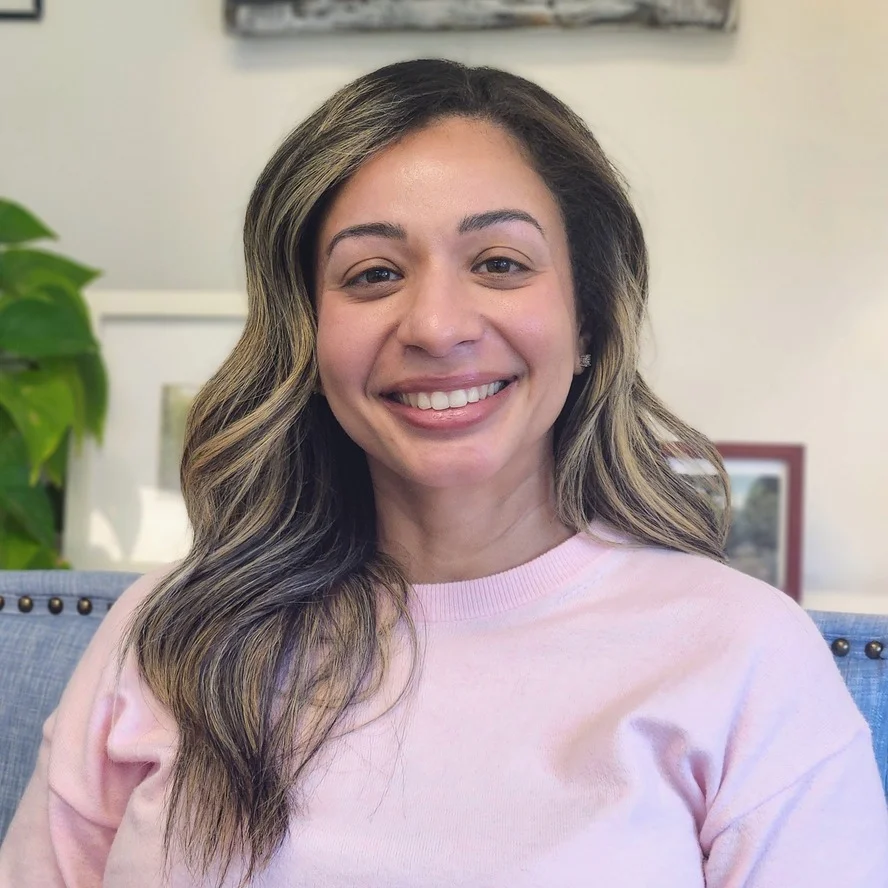
Lorens Hidalgo, LCSW
Licensed Clinical Social Worker
Lorens is a bilingual therapist who offers care in English and Spanish to adults, adolescents, couples and families dealing with trauma, anxiety, depression, and relationship conflict. Her approach is attachment-focused and psychodynamic.
Read full bio →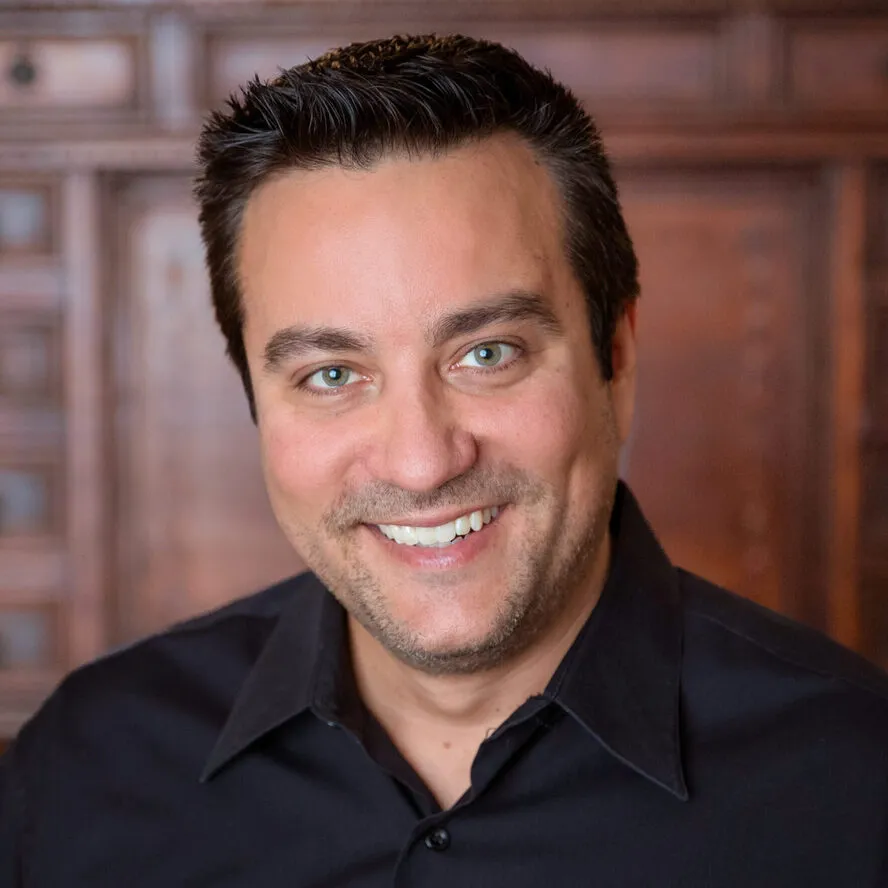
Gerard Micera, PsyD
Licensed Clinical Psychologist
Dr. Micera is a licensed clinical psychologist and performing arts educator who works with children, adolescents, adults, couples, and families on anxiety, depression, and life transitions. His style is warm, humorous, and engaging.
Read full bio →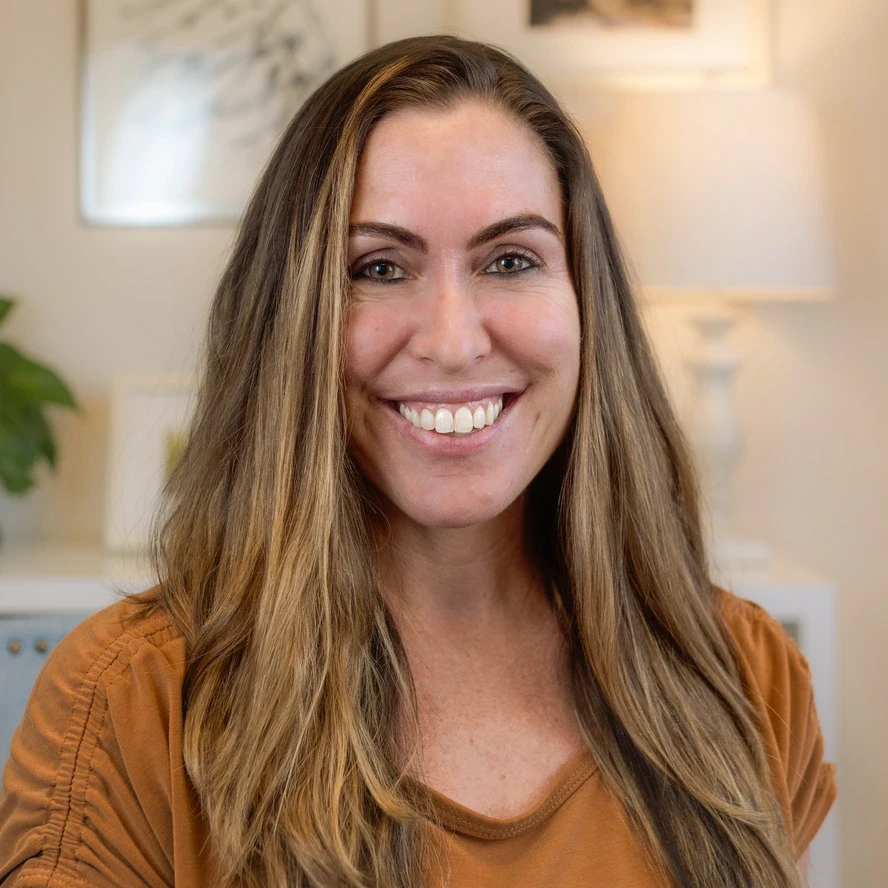
Jessica Duffy, LCSW
Licensed Clinical Social Worker
Jessica is a licensed clinical social worker with twelve years of experience supporting adolescents, adults, couples, and families through anxiety, ADHD, trauma, and family or relationship conflict.
Read full bio →
Megan Sedita, PsyD
Licensed Clinical Psychologist
Dr. Sedita is a licensed clinical psychologist who works with adults, adolescents, and couples on trauma, anxiety, mood, and relationship difficulties. She trained at the VA Hudson Valley Health Care System, working with Veterans.
Read full bio →