



Hartsdale PPG
210 North Central Avenue
Suite 220
Hartsdale, NY 10530
- Mon–Fri 8am–8pm
- Sat 10am–2pm
A collaborative Westchester psychology practice providing expert multi-specialty therapy and testing for adults, children, couples, and families—in Chappaqua, Hartsdale, and online.
Pick a starting point — each connects you with clinicians who specialize in that area.

Evidence-based treatment for ARFID, anorexia and other eating disorders, including our nine-week ARFID Intensive for adolescents.
Learn more
Neuropsychological and psychoeducational evaluations for ADHD, autism, learning differences and school admissions.
Learn more
210 North Central Avenue
Suite 220
Hartsdale, NY 10530
400 King Street
Suite 7
Chappaqua, NY 10514
Secure HIPAA-compliant video sessions.
Our clinicians meet weekly to discuss cases across specialties. Therapists and evaluators work in the same offices, so when you see more than one provider, they're already in conversation about your care.
How we coordinate care →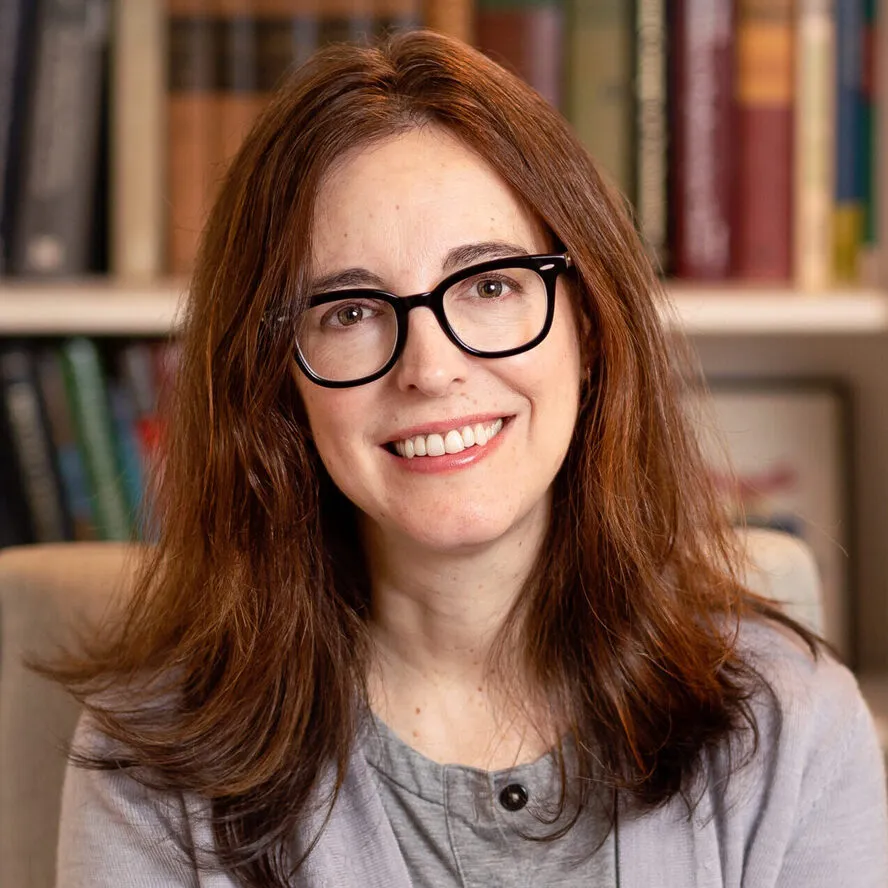
CEO, Clinical Director, Licensed Clinical Psychologist
As practice founder and clinical director, Dr. Bly integrates advanced psychodynamic insight, CBT, Gottman methods, and Collaborative Divorce coaching to guide individuals and couples through complex life transitions and family-building.
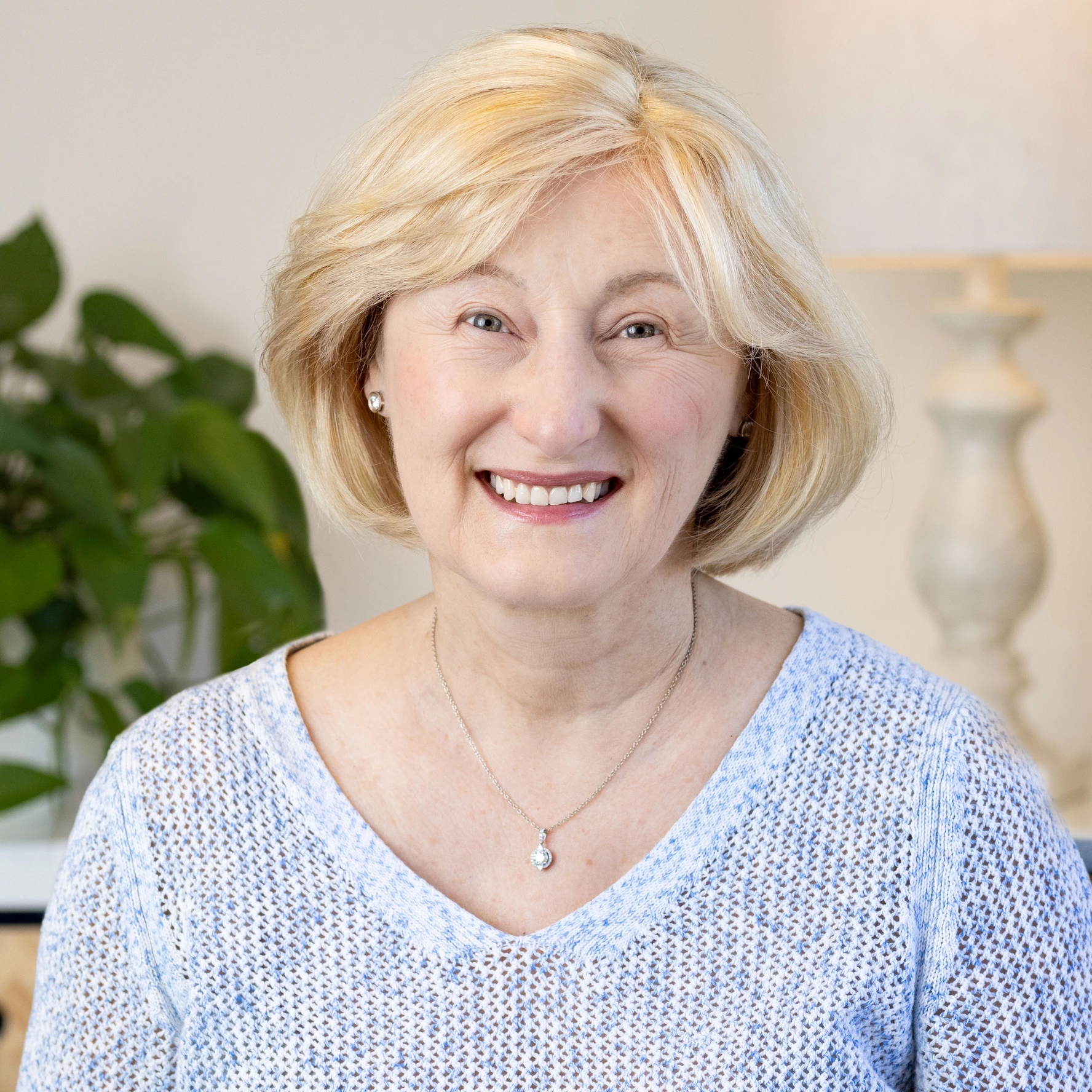
CFO, Training Director
As a clinical psychologist specializing in complex relational dynamics, Dr. Leighton utilizes a blend of psychodynamic psychotherapy, evidence-based behavioral tools, and Gottman frameworks to support individuals and couples navigating trauma, substance use, and chronic loneliness.
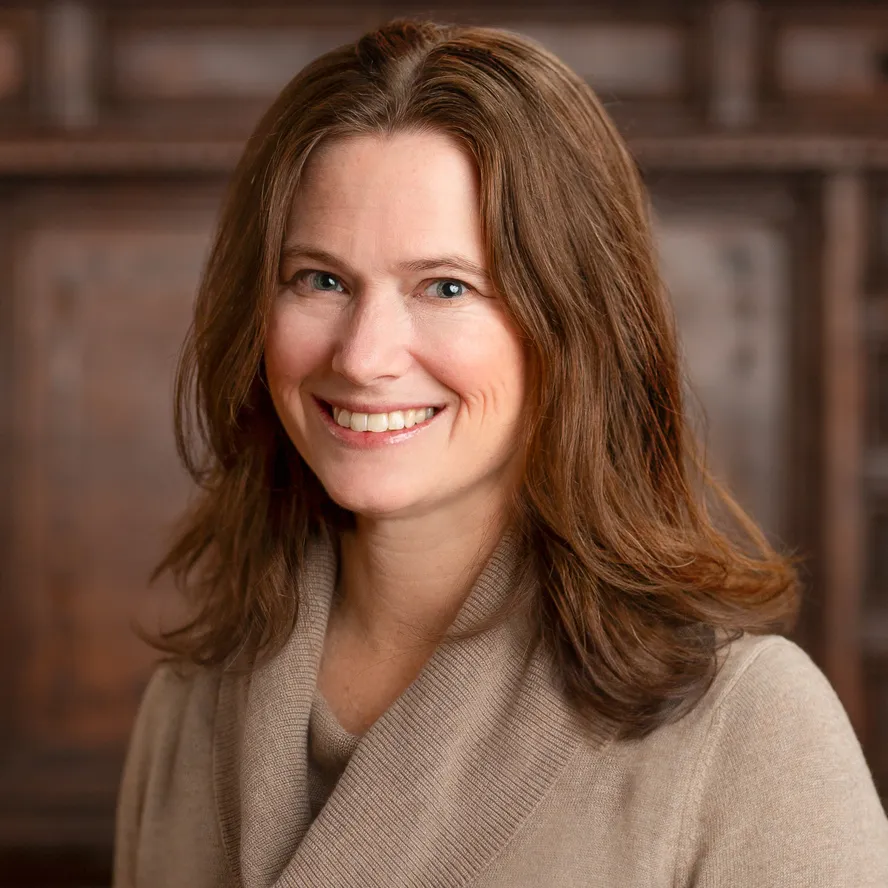
Licensed Clinical Psychologist, Director of Art Therapy Program
A dual-licensed psychologist, board-certified art therapist, and tenured professor utilizing 25+ years of mastery to treat complex trauma, childhood anxiety and behavioral challenges, eating disorders, and emotional dysregulation.
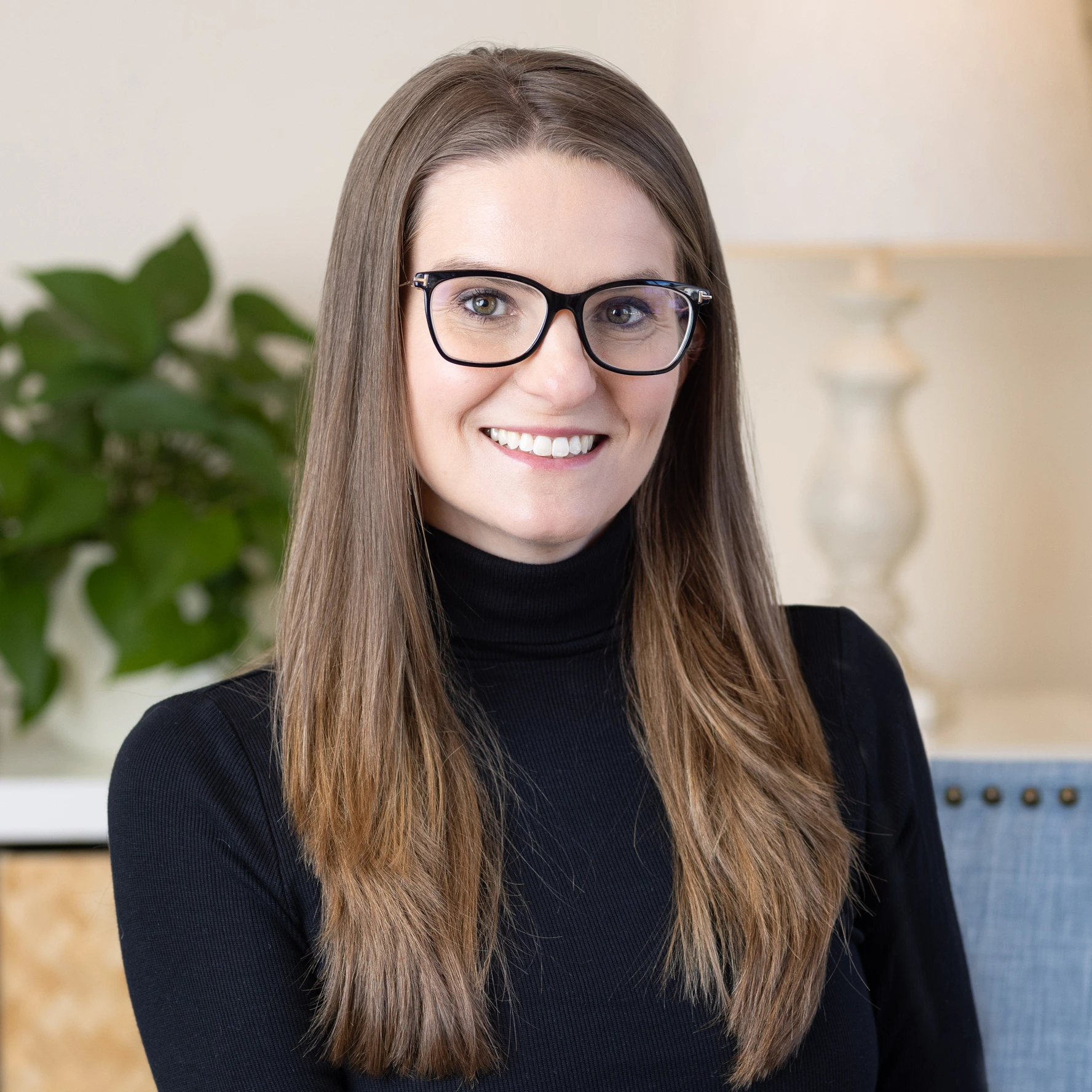
Licensed Clinical Psychologist, Director of Eating Disorders Program
As a globally recognized FBT supervisor and former Mount Sinai professor, Dr. Rosen utilizes advanced CBT, DBT, and family-based treatments to guide adolescents and young adults through eating disorder recovery.
Our intake team responds to every channel — same business day.
"I started PPG in 2016 because families shouldn't have to coordinate care between specialists in different offices. The work goes better when the clinicians are collaborating before you even arrive."

A structured nine-week program for adolescents with ARFID and the caregivers supporting them.
Program details
8 weeks to more productive communication and a happier marriage based on evidence based Gottman principles.
Workshop details