Breaking Generational Cycles Therapy

Many people notice they are repeating something from their own childhood: a sharp tone, a tendency to withdraw, a habit of worry, a way of handling conflict. Others are determined to do things differently and are not sure how. Therapy helps you understand where these patterns come from and build new ways of responding. Sessions are available in person and online.

You do not need to be a parent to do this work, though many of our clients are. Some come because of how they react with their children. Others see the same patterns in their marriage, their friendships, or how they treat themselves.

Schedule a consultation

How Therapy for Generational Patterns Works

Families pass along more than traits. They pass along ways of handling anger, comfort, money, success, and conflict, often without anyone noticing. Therapy starts by helping you see which of those patterns you learned, how they show up in your life now, and which ones you want to keep.

From there, the work is practical. You learn to notice what sets off your strong reactions, try other responses, and handle the guilt or grief that can come with doing things differently from your family. The pace is yours.

What We Help With

Parenting Differently Than You Were Parented

Wanting to bring more patience, warmth, or consistency than you experienced yourself.

Strong Reactions With Your Children

Responding with more anger, anxiety, or shutdown than the moment calls for, and wanting to respond differently.

Patterns in Your Relationships

Noticing that the same conflicts, fears, or roles keep showing up with a partner, family, or friends.

Painful Childhood Experiences

Making sense of how criticism, instability, loss, or other hard experiences in your family shaped you.

Anxiety, Perfectionism, and Self-Criticism

Worry and harsh self-judgment that run in your family and that you recognize in yourself.

Relationships With Your Own Parents

Setting limits, repairing distance, or accepting what is not going to change.

Approaches We Use

Mapping Family Patterns

A genogram, or family map, helps you see how patterns of communication, conflict, and coping repeat across generations.

Narrative Therapy

Looking at the story your family tells about you, and deciding which parts still fit.

Skills for Strong Reactions

Practical ways to notice stress in your body and calm it so you can respond the way you intend.

Connection to Parenting Support

When helpful, we link your work in therapy to strategies for routines and behavior at home.

What to Expect

You don’t need to have it all figured out before you reach out.

  1. 1

    A Free Consultation

    We talk briefly about what you are noticing and match you with a clinician whose training and style fit.

  2. 2

    Getting to Know Your Situation

    Your clinician learns about you, your family, and the patterns you want to change, then agrees on goals with you.

  3. 3

    Building and Practicing Your Plan

    Sessions are usually weekly to start, 45–60 minutes. You practice new responses between sessions and adjust the plan as you go.

Care That Connects Across Specialties

Changing a family pattern often touches more than one part of your life. Our clinicians work across specialties, so care can adjust as your needs do.

Your team

Meet our specialists in this area

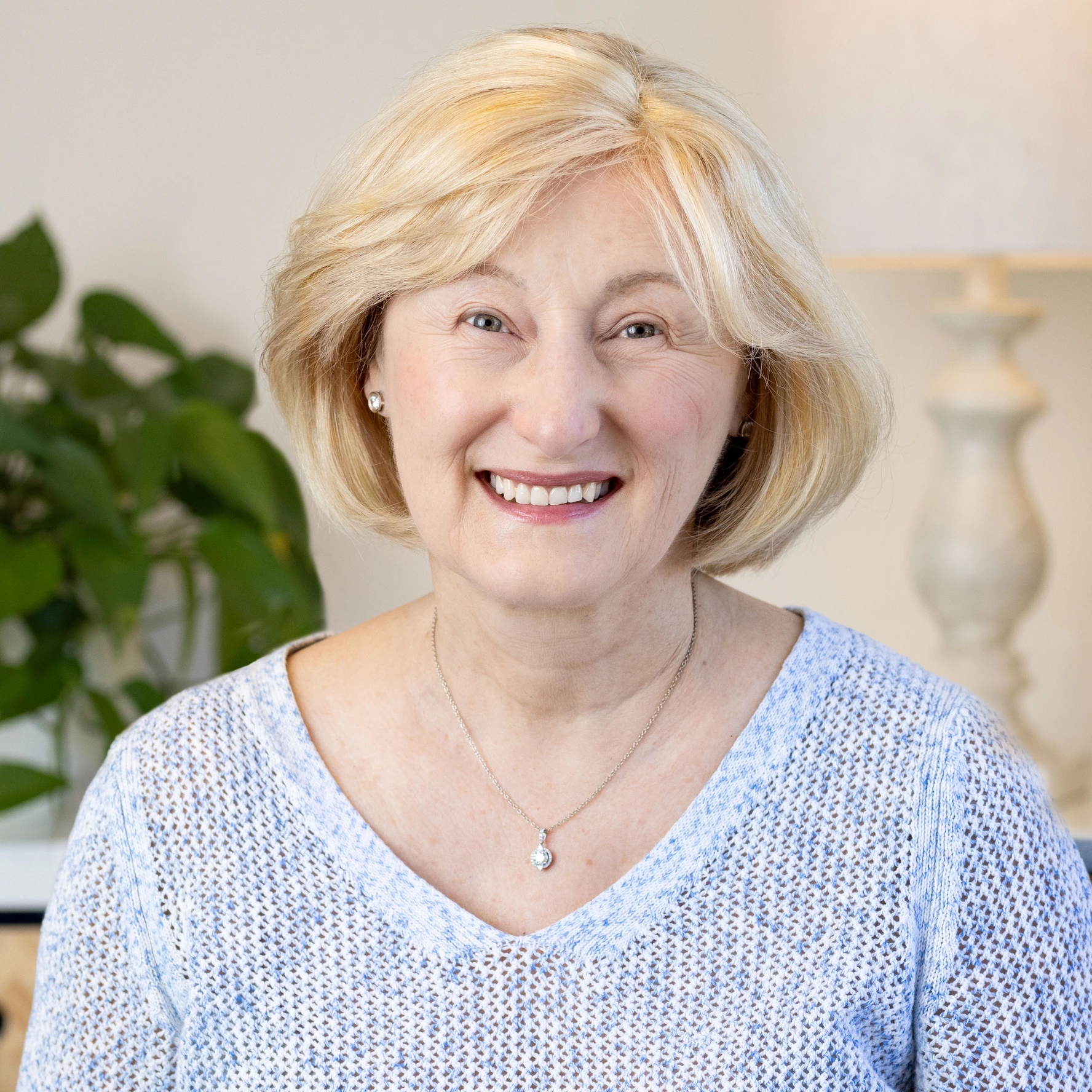
Eva Leighton, PhD

Eva Leighton, PhD

CFO, Training Director

Dr. Leighton is a licensed clinical psychologist who works with adults, couples, children, and families on trauma recovery, substance use, parenting and behavioral concerns, and relationship difficulties. Her style is warm and supportive, with a natural sense of humor.

Read full bio →
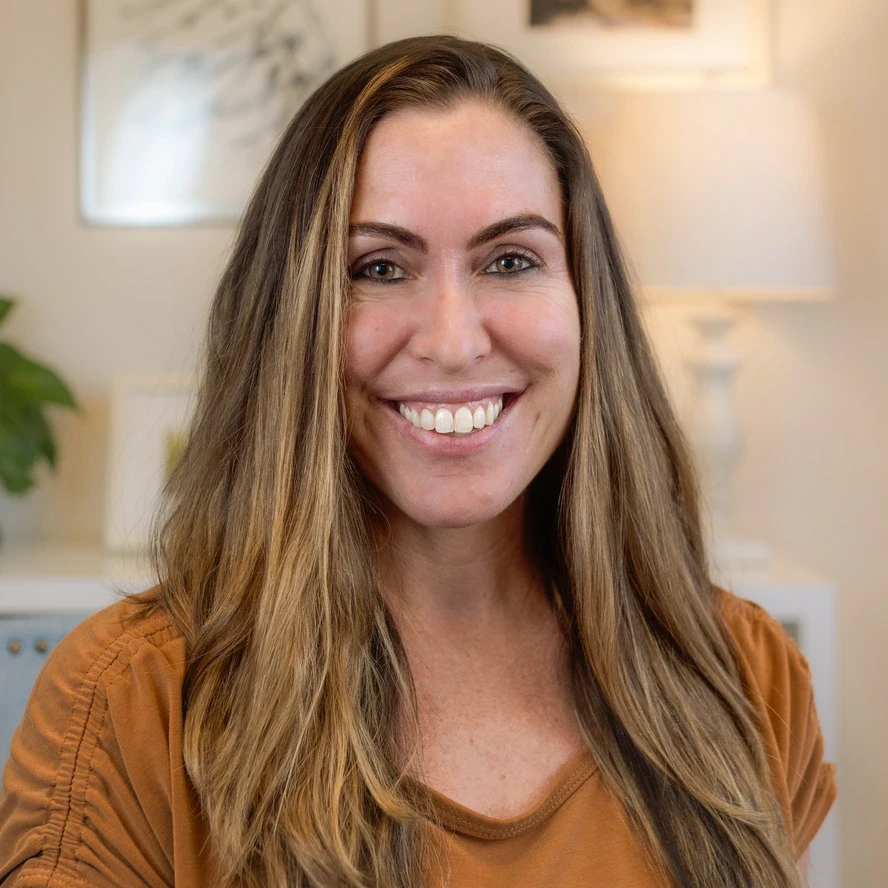
Emily Bly, PhD

Emily Bly, PhD

CEO, Clinical Director, Licensed Clinical Psychologist

Dr. Bly founded Psychology Partners Group on the idea that people do best when they're matched with the right expertise and feel at ease with their clinician. She works with adults, adolescents, and couples on anxiety, depression, ADHD challenges, relationship strain, and major life transitions, including infertility, adoption, and divorce.

Read full bio →
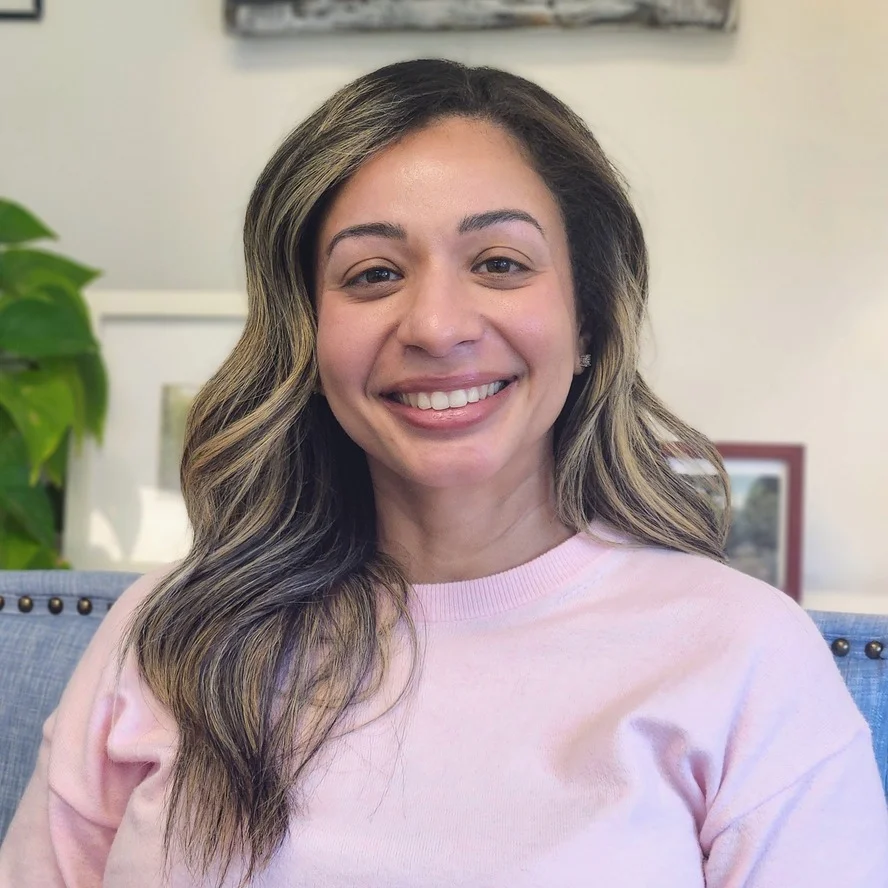
Lorens Hidalgo, LCSW

Lorens Hidalgo, LCSW

Licensed Clinical Social Worker

Lorens is a bilingual therapist who offers care in English and Spanish to adults, adolescents, couples and families dealing with trauma, anxiety, depression, and relationship conflict. Her approach is attachment-focused and psychodynamic.

Read full bio →
Jessica Duffy, LCSW

Jessica Duffy, LCSW

Licensed Clinical Social Worker

Jessica is a licensed clinical social worker with twelve years of experience supporting adolescents, adults, couples, and families through anxiety, ADHD, trauma, and family or relationship conflict.

Read full bio →
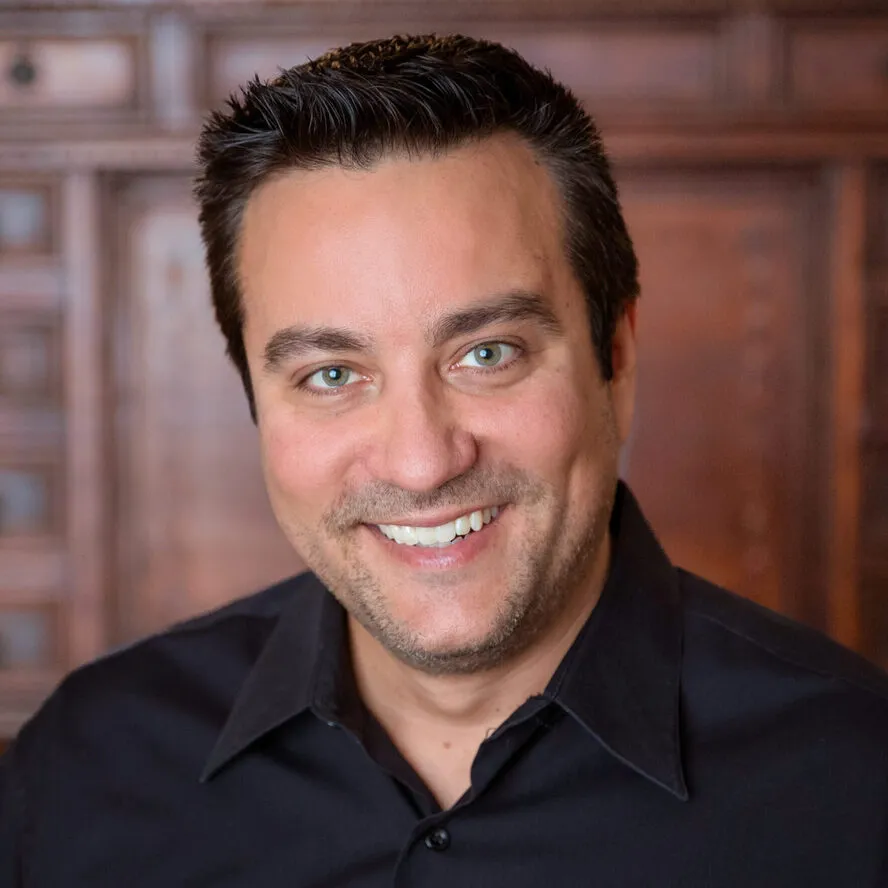
Gerard Micera, PsyD

Gerard Micera, PsyD

Licensed Clinical Psychologist

Dr. Micera is a licensed clinical psychologist and performing arts educator who works with children, adolescents, adults, couples, and families on anxiety, depression, and life transitions. His style is warm, humorous, and engaging.

Read full bio →
FAQ

Common questions

What is therapy for breaking generational cycles?

Therapy helps you understand patterns you learned in your family, such as how conflict was handled, how feelings were expressed, or how stress was managed, and decide which ones you want to keep. You then practice new ways of responding in your relationships and as a parent.

Do I need to be a parent to come?

No. Many clients are parents, but others come because the same patterns show up in their relationships, work, or sense of self.

Do I have to go into detail about my childhood?

No. You and your clinician decide together how much to explore and at what pace. Some people want to look closely at the past, and others prefer to focus on what is happening now.

Is this the same as trauma therapy?

Not always. Some clients are working through painful or frightening experiences in childhood, and others are noticing patterns that feel less dramatic but still affect them. If trauma is part of your history, your clinician can talk with you about whether trauma-focused treatment would help.

Will therapy mean blaming my parents?

No. The goal is understanding, not blame. Many people feel both love and frustration toward their parents, and therapy has room for both.

Can this help me parent differently?

Yes. We help you notice what sets off your own strong reactions and practice other responses. If you want practical strategies for daily routines or behavior, we can also connect you with parent-focused support.

Does my family need to take part?

No. Most of this work is done individually. If it would help, a partner or other family member can join for some sessions.

Are sessions available online?

Yes. Sessions are available in person at our Chappaqua and Hartsdale offices and by secure video.

Is therapy available in Spanish?

Yes. Lorens Hidalgo, LCSW, offers therapy in Spanish or bilingually.

How do I get started?

Schedule a free consultation. We will talk briefly about what you are looking for and match you with a clinician whose training and style fit your needs.

What if I am in crisis?

PPG provides outpatient care and is not an emergency service. If you are having thoughts of harming yourself, call or text 988, the Suicide & Crisis Lifeline, at any time. If you are in immediate danger, call 911.