
Hartsdale PPG
210 North Central Avenue
Suite 220
Hartsdale, NY 10530
- Mon–Fri 8am–8pm
- Sat 10am–5pm
Eating disorders are serious but treatable conditions. Our Eating Disorders Program, directed by Heather Rosen, PhD, provides outpatient treatment for adolescents, young adults, and adults, and coordinates care across your treatment team. Sessions are available in person and online.
Eating disorders have biological, psychological, and social causes, and effective treatment addresses both eating behavior and the thoughts and emotions that maintain it.
Our program offers Family-Based Treatment (FBT) for adolescents and enhanced cognitive behavioral therapy (CBT-E) for young adults and adults. Dr. Rosen is a certified FBT supervisor and a former faculty member at Mount Sinai.
We work with the providers you already have, such as a dietitian, physician, or psychiatric prescriber. If your team has gaps, we help you build it by connecting you with trusted providers. Our program director personally coordinates care across everyone involved, with your consent.
Treatment is grounded in FBT, CBT-E, EFFT, AFT and DBT approaches supported by research for eating disorders.
Therapy addresses why an eating disorder developed alongside the practical work of restoring regular, adequate eating.
We use Family Based Treatment (FBT), in which parents take an active role in restoring their child's eating and health at home, with guidance from the therapist.
We use enhanced CBT (CBT-E), led by Dr. Rosen. Treatment addresses challenges specific to young adulthood, such as managing recovery at college, starting a career, or living independently.
The ARFID Intensive is a 9-week program for adolescents ages 12 to 17 and their caregivers. Teens build CBT-AR skills with Dr. Rosen, while parents learn SPACE strategies with Dr. Valerie Scelsa. The program is designed to reduce food avoidance and mealtime conflict and to expand the variety of foods teens can eat. Current dates and registration are on the program page.
Supports parents in leading their adolescent's return to regular eating and health at home. It is a leading evidence-based treatment for adolescents.
Addresses the thoughts and behaviors that maintain an eating disorder. It is our primary approach for young adults and adults.
A cognitive behavioral treatment that expands the variety of foods a person eats and reduces avoidance.
Helps caregivers respond to emotions with empathy and support their child through distress.
Builds skills in emotion regulation, distress tolerance, and relationships.
Gradual, planned practice facing feared foods, eating situations, and body-related anxiety.
Supportive Parenting for Anxious Childhood Emotions. Helps parents reduce accommodation of avoidance and anxiety around food.
Restriction of food intake with an intense fear of weight gain and a distorted view of body size. Learn more about anorexia treatment.
Cycles of binge eating followed by compensatory behaviors such as purging or excessive exercise. Learn more about bulimia treatment.
Recurrent episodes of eating large amounts with a sense of loss of control, often with distress or shame. Learn more about binge eating disorder treatment.
Limited food intake or variety not driven by body image concerns, often tied to sensory sensitivity, fear of choking or vomiting, or low interest in food. Learn more about ARFID treatment.
Significant eating disorder symptoms that do not meet full criteria for another diagnosis. OSFED is serious and receives the same level of care. Learn more about OSFED treatment.
Persistent dissatisfaction with body shape or weight, or exercise that feels compulsive. Learn more about support for body image concerns.
You don't need to have it all figured out before you reach out.
We talk briefly about what you or your loved one are experiencing and match you with a clinician whose training fits your needs.
Your clinician gathers history about eating, health, and daily functioning, and discusses whether medical monitoring or a higher level of care is needed.
Treatment is tailored to age and needs, with family involvement for adolescents. We coordinate with your existing providers and help you add others, such as a dietitian or physician, if needed.
Eating disorders often occur alongside other concerns. Our clinicians work across specialties, so with your consent we can coordinate care within the practice.
210 North Central Avenue
Suite 220
Hartsdale, NY 10530
400 King Street
Suite 7
Chappaqua, NY 10514
Secure HIPAA-compliant video sessions.
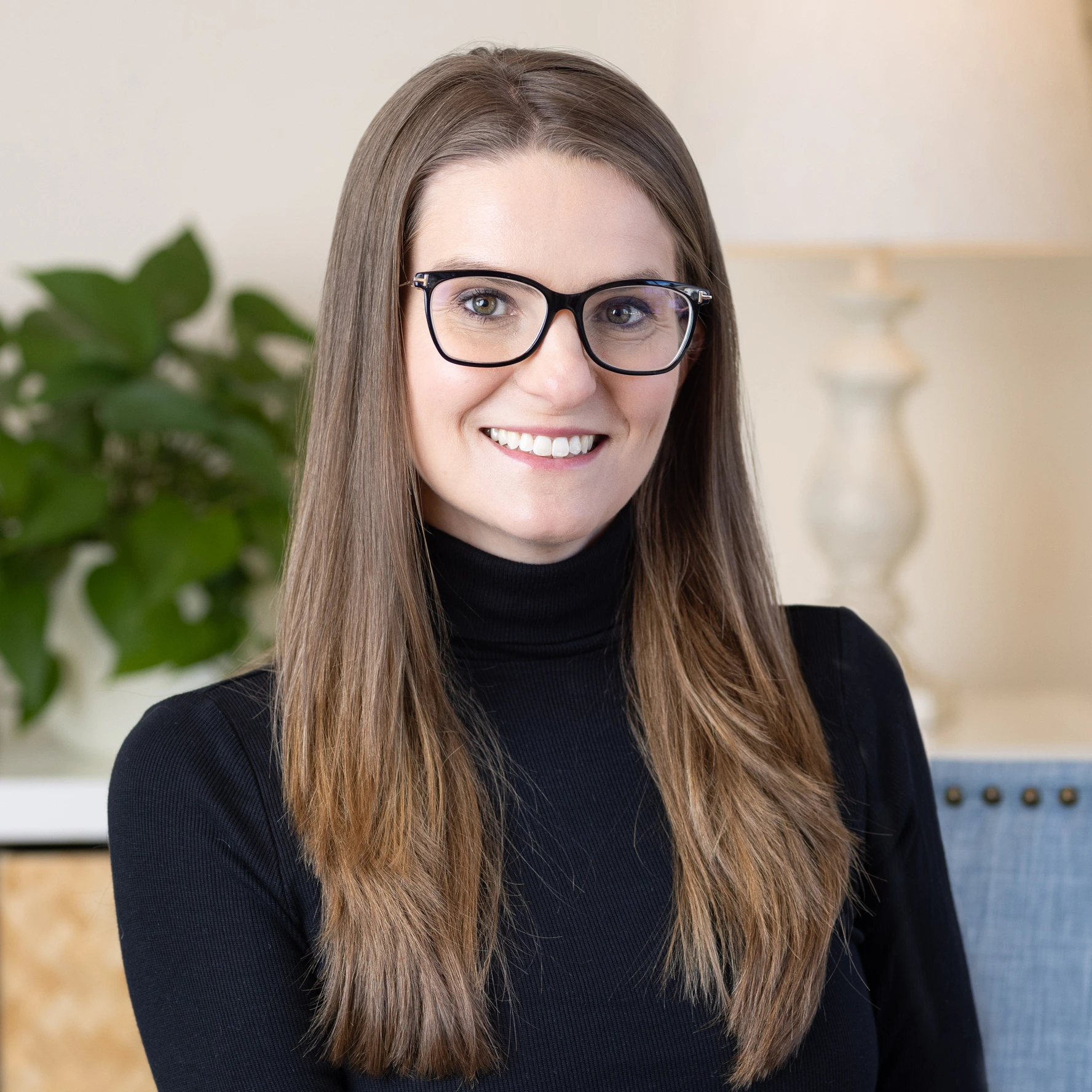
Licensed Clinical Psychologist, Director of Eating Disorders Program
Dr. Rosen directs PPG’s Eating Disorders Program. A certified Family-Based Treatment (FBT) supervisor and former Mount Sinai faculty member, she treats adolescents and young adults and works closely with their families toward recovery from eating disorders.
Read full bio →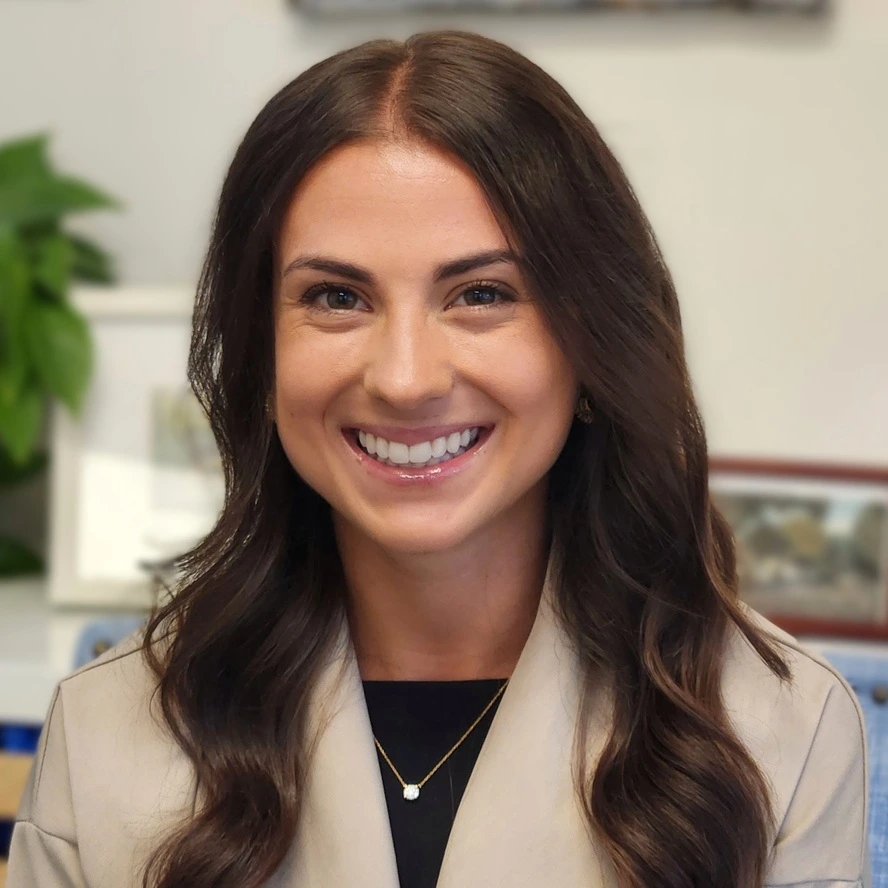
Licensed Clinical Psychologist
Dr. Sedita is a licensed clinical psychologist who works with adults, adolescents, and couples on trauma, anxiety, mood, and relationship difficulties. She trained at the VA Hudson Valley Health Care System, working with Veterans.
Read full bio →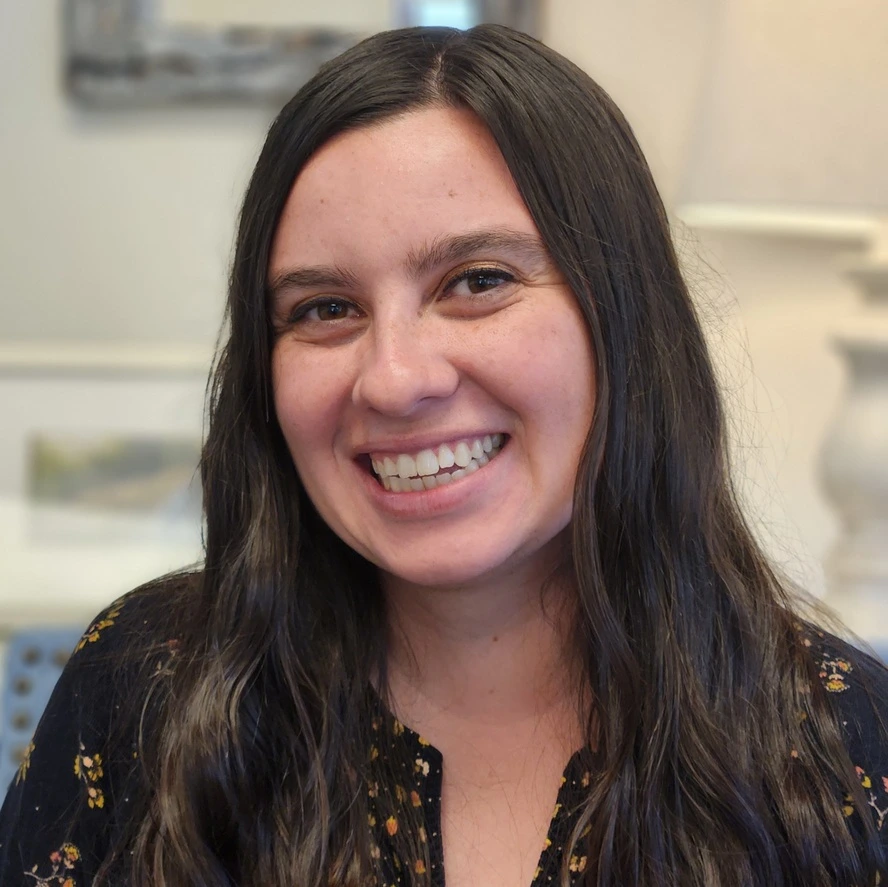
Licensed Clinical Psychologist
Dr. Scelsa specializes in anxiety, OCD, ADHD, ARFID and related behavioral challenges in children, adolescents, and young adults, and coaches parents to support their child’s progress.
Read full bio →